
Raw materials
Nothing comes from nothing – that's why we only use high-quality raw materials for our products. Our selected suppliers guarantee us a high and consistent level of quality. In addition, we constantly check the quality of all raw materials delivered to us ourselves. To do this, we use strict internal guidelines, according to which the raw materials are constantly checked in our in-house laboratory and by external, certified laboratories. We always take the same care with conventional and organic production – to ensure that each of our products contains only the best that nature has to offer!
A brief overview of the most important raw materials used in our products:
Wheat
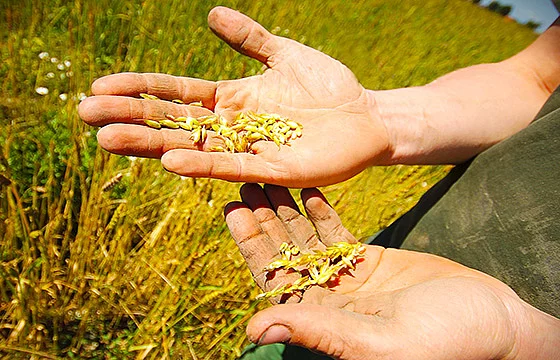
The best known and most widely used cereal grain, wheat serves as the basis for most pasta products. Wheat is low in fat and rich in vitamins and minerals such as potassium, phosphorus and magnesium. Wholemeal wheat also has a high fibre content.
Corn
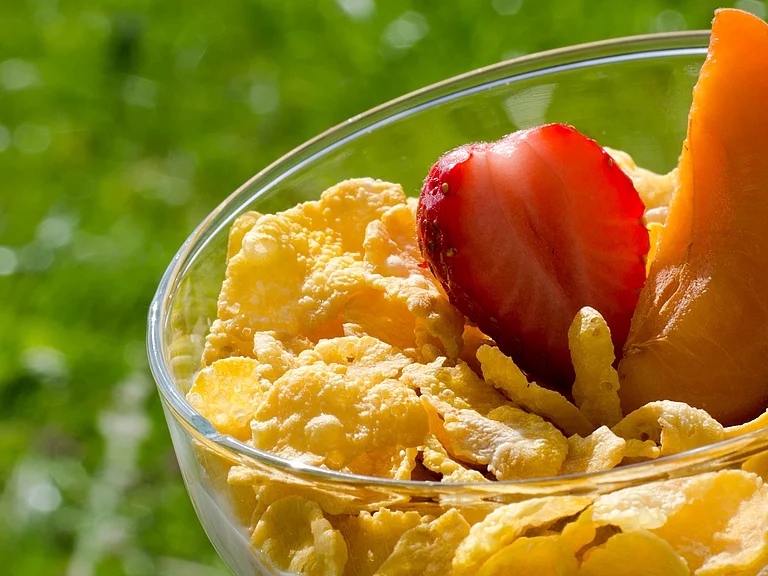
Corn is a versatile grain and, in addition to protein, carbohydrates and fat, also contains many other healthy ingredients such as vitamins and minerals. Particularly noteworthy is its high fibre content, which makes corn one of the most valuable types of grain.
Rice
Rice is particularly important in Asia. As it contains many complex carbohydrates, rice keeps you feeling full for a long time, yet is low in calories. Due to its high carbohydrate content, rice is also an important source of energy. Its high potassium content helps to dehydrate and purify the body. This boosts the metabolism and reduces strain on the heart and circulation.
Oats
Oats are considered the most nutritionally valuable cereal, mainly due to their high protein content of almost twelve percent. In addition, the proteins in oats consist mainly of essential amino acids. Oats also have a long-lasting satiating effect, contain high-quality oil and valuable minerals such as potassium, magnesium and iron.
Barley
Alongside wheat, rye and oats, barley is one of the best-known types of grain. As the grains and husks are fused together, the grain has a high fibre content. This improves satiety and stimulates digestion. In terms of minerals, barley is particularly rich in magnesium, calcium and potassium.
Spelt
Spelt is a close relative of wheat, has a slightly nutty taste and is full of vitamins and minerals. The scientifically proven benefits of this grain were already described by Hildegard von Bingen (1098–1179): it is the ‘best grain’, ‘gives its eater good flesh and good blood, a cheerful disposition and joyful human thinking’.
Dried fruit
Dried fruit tastes particularly intense and sweet: everything in the fruit is concentrated, so to speak. Sultanas, apricots, apples, etc. contain only about 20% of the moisture found in fresh fruit, but they are packed with valuable nutrients. Even after drying, the fruit retains valuable minerals such as potassium and phosphorus, as well as vitamins and lots of secondary plant substances.
Nuts
Nuts are high in calories and contain many ingredients that have a positive effect on health. The unsaturated fatty acids contained in nuts are particularly valuable, as they help to lower cholesterol levels.